A plain guide to the main kinds of massage, what each one feels like, and how to find the one that suits you.
The COHEN team·7 min read·
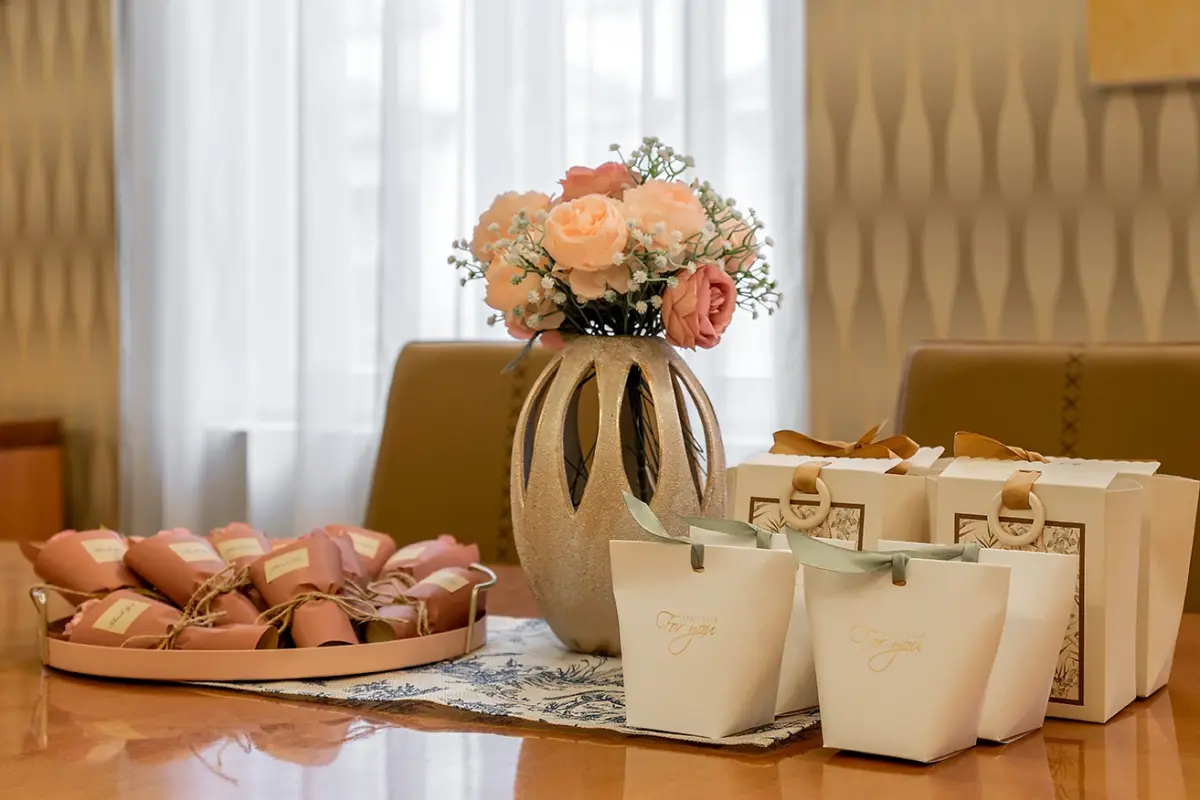
Roses in a gold vase beside small gift bags and wrapped parcels on a polished table
Questions
Which massage should I choose when I feel stressed?
No massage is a treatment for stress, but many people find slow formats calming: classic massage with lighter pressure, aromatherapy, hot stone, or a sensual ritual at a gentle pace. Choose a quiet setting and enough time not to rush. If stress lasts for weeks or affects your sleep, work or mood, please talk to a doctor or a psychologist as well.
Which massage should I choose for back pain?
Start with a doctor or a qualified physiotherapist, especially if the pain is new, severe or keeps returning, or comes with numbness. They can tell you whether massage is appropriate for you and which kind. The rituals at COHEN are sensual and relaxing, not clinical, so they are not the right choice for pain or an injury.
How often should I get a massage?
There is no fixed rule. Some people book every month, others a few times a year or for special occasions. Let your time, your budget and how you feel afterwards guide you, rather than a schedule from an advert. If a doctor or physiotherapist recommends sessions for a specific reason, follow their advice; that is their field, not ours.
What is the difference between Swedish and deep-tissue massage?
Swedish, or classic, massage uses long gliding strokes, kneading and gentle-to-firm pressure across the whole body, and is mostly about relaxation. Deep-tissue massage is slower and firmer, and concentrates on particular areas, working into deeper layers of muscle. It can feel intense, so say if the pressure is too much. With an injury or pain, ask a physiotherapist first.
There is no single right massage, only the right one for what you want today. The main types differ in three ways: how much pressure they use, how fast they move, and what they are for — tired muscles, training, or simply slowing down.
This guide describes the types you are most likely to meet on a menu, in Budapest or anywhere else, plainly and without promises. Then come seven questions that make the choice easier, and a clear note on where COHEN fits — and where it does not.
01Classic (Swedish) massage
Classic massage, often called Swedish massage, is what many people picture when they hear the word. The therapist works with oil or lotion and a familiar set of strokes: long gliding movements, kneading, small circular frictions and, sometimes, light rhythmic tapping. Pressure can be gentle or firm, and you can ask for either.
A full-body session usually covers the back, shoulders, arms, legs and feet, often the neck and scalp too. It makes a sensible first massage: structured, predictable and easy to adjust. Many people return to it for a very simple reason — it feels good, and they leave calmer than they came.
02Deep tissue and sports massage
Deep-tissue massage uses slower, firmer strokes and concentrates on particular areas, such as the upper back or the calves, working into deeper layers of muscle. It can feel intense. A good therapist checks the pressure with you as they go; discomfort should never be something you simply endure in silence.
Sports massage is shaped around training and competition. Before an event it tends to be brisk and brief; afterwards, slower. It usually focuses on the muscle groups a sport works hardest, and it may include assisted stretching.
When a physiotherapist is the better choice
If you have pain, an injury, numbness, a problem that keeps coming back, or you are recovering from an operation, start with a doctor or a qualified physiotherapist. They can assess what is going on and tell you whether massage belongs in the plan, and which kind. No massage menu, however long, replaces that assessment.
03Thai, aromatherapy and hot stone — in brief
Thai massage is traditionally given on a padded mat on the floor, with the guest in loose, comfortable clothing and no oil. The therapist uses palms, thumbs, elbows, knees and feet, and moves you through assisted stretches. It feels active rather than drowsy.
Aromatherapy massage is a gentle oil massage in which diluted essential oils are chosen mainly for their scent. The strokes are usually light and slow; the fragrance sets the mood.
Hot stone massage uses smooth, heated stones, some resting on the body, others held as an extension of the therapist’s hands. The warmth is the point, and many people find it invites a slow, heavy kind of rest.
04Sensual and tantric massage
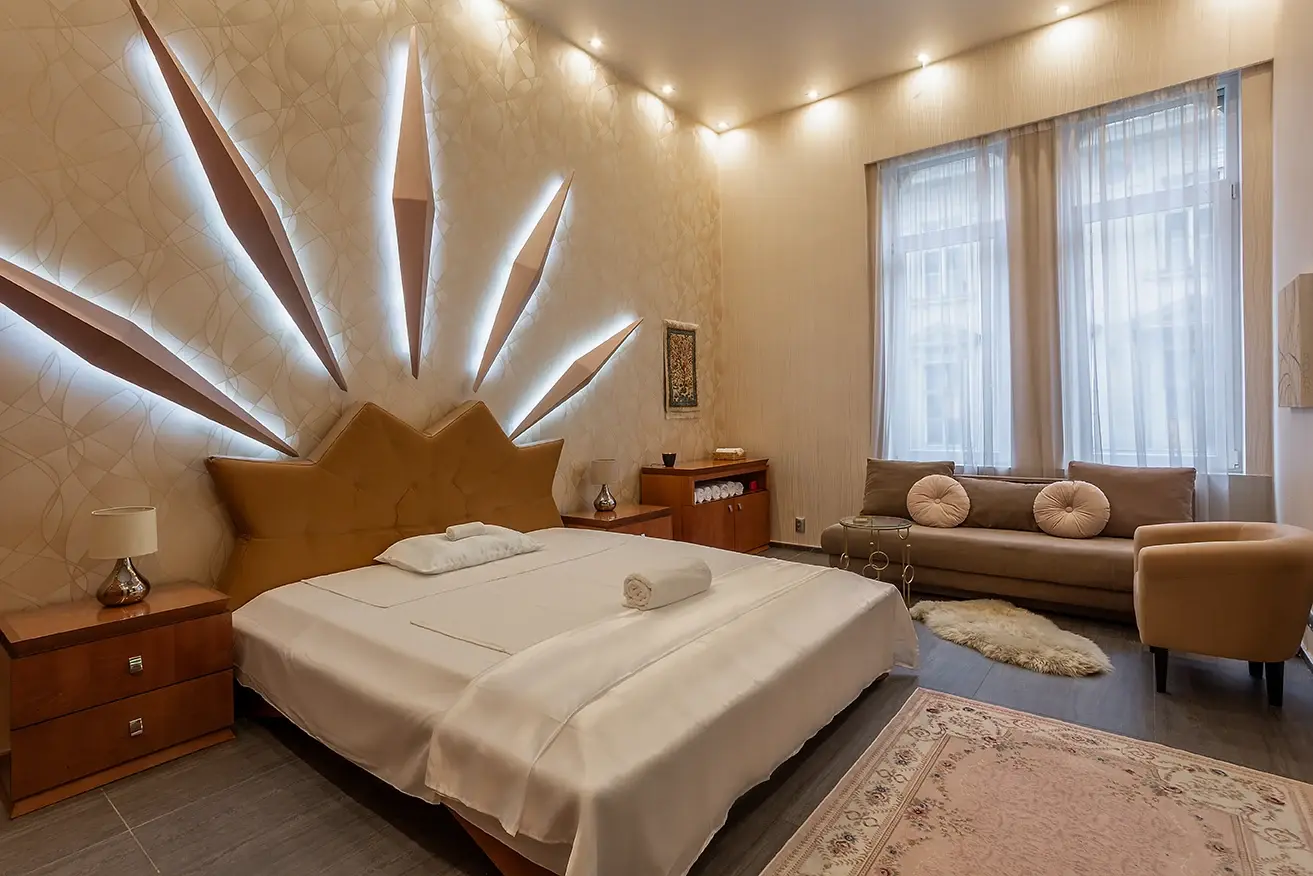
Sensual massage is built around the senses rather than around particular muscles. The pace is slow, the oil warm, the strokes long and continuous, and the setting matters as much as the technique: low light, a soft scent, quiet. The aim is relaxation and presence — noticing touch, breath and warmth instead of thinking about what comes next. It asks nothing of you except attention, and it is neither a medical treatment nor a sports massage.
Tantric massage, as studios offer it today, is a modern adaptation of ideas drawn from tantra, a family of traditions that grew up in India. In practice it means breath-led, meditative touch: unhurried and attentive. We explain the background in Tantra and tantric massage.
You will also meet the label ‘erotic massage’. It is a broad term for massages with an openly erotic focus, and what it includes differs a great deal from one place to another, so ask before you book. Our guide to sensual, tantric and erotic massage sets out the differences calmly.
05Seven questions that help you choose
First, the main types side by side:
Type
Pressure
Pace
Often chosen for
Classic (Swedish)
Gentle to firm
Steady
A first massage, general relaxation
Deep tissue
Firm
Slow
Focused work on particular areas
Sports
Varies
Brisk or slow
Training and events
Thai
Firm, with stretches
Rhythmic
An active, clothed session
Aromatherapy
Light
Slow
Scent and calm
Hot stone
Light to medium
Slow
Warmth
Sensual or tantric
Light
Very slow
Presence and sensory relaxation
Then ask yourself:
What is it for? Tired legs after training, a calmer evening, or time to feel at home in your body? Name the goal first; the type follows.
How much pressure do you enjoy? Some people relax only under firm hands; others tense up. There is no virtue in enduring more than you like.
Which pace suits you? Brisk and invigorating, or slow enough that time seems to stretch?
What setting do you want? A bright treatment room, a spa with pools, or a quiet private room with low light.
How much time do you have? An hour is a focused session. Longer formats leave room for a bath or shower, a slower start and a gentle finish.
What is your budget? Prices vary widely between types and places. Choose something you can enjoy without watching the clock or the bill.
How comfortable are you with touch? If you are new to massage, or a little nervous, choose a format in which it is easy to ask for changes, and a place that explains clearly what will happen.
If your answers point one way, you already know what to look for. If they pull in different directions — firm pressure, say, but a very slow pace — describe exactly that; a good therapist can work with it.
06Why trying different types is worth it
Many people settle on the first massage that felt good and never look further. Trying a few types teaches you something useful: what pressure you like, which pace calms you, whether you prefer silence or a little conversation, oil or no oil. That vocabulary improves every future booking, because you can ask for what you actually want.
Your needs also change. A week of training calls for something different from a week of deadlines, and a birthday for something different again. Knowing the range lets you choose for the week you have had, not out of habit.
Keep the experiments simple: change one thing at a time, and notice how you feel the next morning, not only on the table.
If you are unsure where to start, ask the therapist rather than the menu. A short description of how you feel and what you enjoy usually tells them more than the name of a technique.
07Where COHEN fits
COHEN is a private spa in Budapest’s District V offering sensual rituals with tantric elements. We are not a clinical, sports or physiotherapy service, and our rituals are not treatments. For pain, injuries or a medical condition, please see a qualified professional.
What we offer is slow, attentive touch in a calm setting. Each of our three individual rituals combines a relaxing massage with warm oil, a breath-led tantra session and a body-to-body technique. First expression adds a shower ritual and a face treatment; More attention adds a bath ritual and face and feet treatments. Any ritual can also be shared with two therapists — four hands, one rhythm. After a short consultation, your therapist adapts the pace and pressure to you, and you can ask for warmer, slower or lighter at any moment. All genders and orientations are welcome. Adults only.
If you are curious about sensual massage, two rituals make natural starting points. Special session is a focused hour: 60 minutes, €200 (80 000 Ft). First expression begins with a warm shower ritual and unfolds over 100 minutes, for €250 (100 000 Ft); it is the one we suggest for a first visit. You will find both on our rituals page.